Gluten may worsen PCOS symptoms due to inflammation and insulin resistance.
Going gluten-free can reduce inflammation, enhance insulin sensitivity, regulate hormones, and support gut health.
Both PCOS and type 2 diabetes benefit from a gluten-free diet’s carb management, inflammation reduction, hormonal balance, and gut health improvement.
Polycystic Ovary Syndrome (PCOS) is a common hormonal disorder among women of reproductive age, characterized by irregular periods, cysts on the ovaries, and various metabolic issues.
Managing PCOS often involves dietary adjustments, and one approach gaining attention is adopting a gluten-free diet. In this comprehensive blog, we will explore the link between gluten and PCOS, why going gluten-free can be beneficial, and how it may even share similarities with a gluten-free diet for diabetes type 2.
Let’s delve into the science behind this dietary choice for PCOS management.
The connection between gluten and PCOS
Gluten is a protein found in wheat, barley, rye, and their derivatives. While gluten intolerance and celiac disease are well-known conditions, there is a growing interest in the impact of gluten on other health issues, including PCOS.
Here’s why gluten may be problematic for women with PCOS:
Inflammation: Gluten can trigger inflammation in the body, and PCOS is often associated with chronic low-grade inflammation. This inflammation can exacerbate PCOS symptoms and insulin resistance, a common feature of PCOS.
Insulin Resistance: Many women with PCOS have insulin resistance, which can lead to elevated blood sugar levels. Some studies suggest that gluten may contribute to insulin resistance, making blood sugar control more challenging.
Hormone Imbalance: PCOS is characterized by hormonal imbalances, including elevated levels of androgens (male hormones). Gluten consumption may disrupt hormone regulation, worsening PCOS symptoms.
Gut Health: Gluten can negatively impact gut health, leading to conditions like leaky gut syndrome. A compromised gut lining can allow toxins to enter the bloodstream, further aggravating inflammation and hormonal imbalances in women with PCOS.
The benefits of a gluten-free PCOS diet
Adopting a gluten-free diet for PCOS can bring several potential benefits:
Reduced inflammation: Going gluten-free can lower inflammation levels, potentially alleviating PCOS symptoms and reducing the risk of complications.
Improved insulin sensitivity: Eliminating gluten may improve insulin sensitivity, helping to stabilize blood sugar levels and reduce the risk of type 2 diabetes—a condition that often coexists with PCOS.
Hormone regulation: A gluten-free diet may help regulate hormonal imbalances in women with PCOS, potentially leading to more regular menstrual cycles and reduced androgen levels.
Enhanced gut health: Removing gluten can support gut health, reducing the risk of leaky gut syndrome and promoting better nutrient absorption, which is crucial for overall well-being.
Is a gluten-free Diet for PCOS similar to diabetes Type 2?
Interestingly, there are parallels between a gluten-free diet for PCOS and one for type 2 diabetes. Both conditions involve insulin resistance and benefit from dietary adjustments:
Carbohydrate management
Both PCOS and type 2 diabetes benefit from controlling carbohydrate intake.
Gluten-free diets naturally limit certain carb sources, which can help manage blood sugar levels in both conditions.
Inflammation reduction
Inflammation plays a role in both PCOS and type 2 diabetes.
A gluten-free diet’s anti-inflammatory effects can benefit individuals with either condition by reducing inflammation markers.
Hormonal balance
Hormonal imbalances are common in both PCOS and type 2 diabetes.
A gluten-free PCOS diet may help regulate hormones, contributing to improved symptoms and metabolic health.
Gut health
Digestive issues, including leaky gut, are observed in both conditions.
A gluten-free diet supports gut healing, which is essential for overall health and symptom management.
Conclusion
Incorporating a gluten-free diet into your PCOS management plan may offer significant benefits, from reducing inflammation and improving insulin sensitivity to regulating hormones and supporting gut health. While it’s not a one-size-fits-all solution, many women with PCOS have reported positive outcomes after eliminating gluten from their diets.
Remember, it’s essential to consult with a healthcare provider or registered dietitian before making significant dietary changes, especially if you have PCOS or diabetes. They can help you create a personalized gluten-free plan that aligns with your specific needs and goals, ensuring you enjoy improved health and well-being on your journey toward managing PCOS.
I made the video about this dish, you may check the video here:
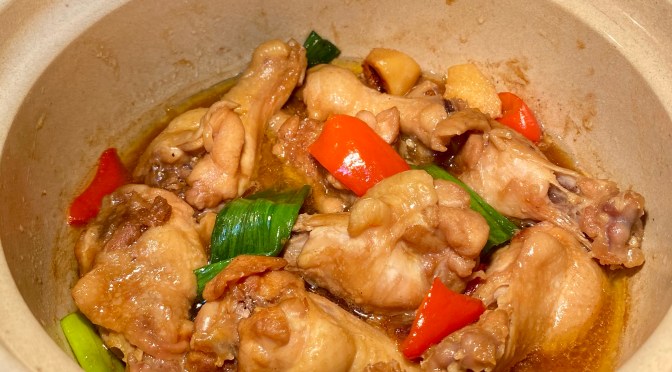
1, Marinate chicken. Please cut chicken into similar size. So I chose chicken drumstick as they are pretty similar in size. Marinate chicken with 1 tbsp light soy sauce, 2 tsp oyster sauce, 2 tsp dark soy sauce, 1/2 1 tsp sugar and 1/2 1 tsp starch. Mix evenly and set aside for 30 mins.
2, Heat a claypot. Add in 1 tbsp oil.
3, Add in ginger slices/chunks, shallots and garlic. Stir fry till aromatic.
4, Put chicken in and on the top of ginger.
5, Add in 1 tbsp cooking wine.
6, Lid on and cook for 15mins with low heat.
7, Stir a bit and add in red chilli. Lid on and cook for another 15 mins.
8, Add in green onion. And cook for last 30 seconds.
You can hear the sizzling sound even when the heat is off.
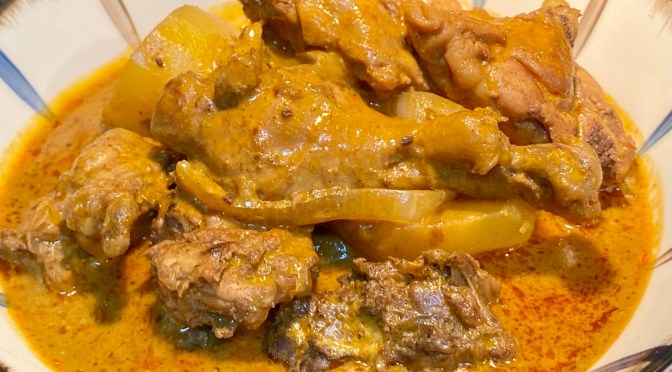
I call it easy version of curry chicken or lazy version of curry chicken, as I use curry paste bought from supermarket instead of homemade curry paste. I made curry paste at home before:
but it’s very troublesome and a lot of work needs to be done and too many spices need to be bought. Packed Curry paste has made it a lot easier.
1, Heat a pan, add in a little oil. Sear the chicken fat first.
2, Fry the chicken pieces. I used a whole chicken around 900g.
3, Stir fry till slightly brownish.
4, Add in 1 pack curry paste. I prefer vegetable curry paste. There are too many kinds of curry paste to choose, meat curry, fish curry, chicken curry and so on. I like vegetable curry paste most, as it’s not too pungent nor too strong, but still giving the curry flavour.
5, Stir fry evenly. Add in 1 cup hot water, potato chunks and onion slices.
6, Simmer for 20 mins.
7, Add in 1 small pack of coconut cream. Stir evenly and simmer for another 15 mins.
8, Ready to serve. Nice choice to serve with rice.
I like to mix potato with rice. Smash potato with a fork or a spoon and drizzle some curry sauce. So yum!













 Cooking For Fun